Join discussions on sustainable solutions for agricultural productivity, this April, Brussels…
Uncategorized
Join discussions on sustainable solutions for agricultural productivity, this April, Brussels…
biodiversity & environment
“Organic production contributes to a high level of biodiversity and the preservation of species and natural habitats.“
A misleading statement, and part of the European Commission’s official organic campaign. Organic production can in fact lead to the destruction of natural habitats; and a loss of habitats will usually result in a loss of species.
health
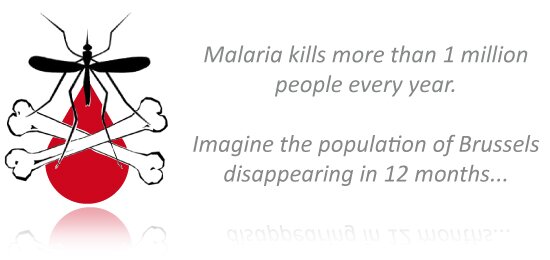
Living in Europe, malaria and DDT are a distant worry. People often fail to realise how deadly the disease is and that pesticides are used as one of the most effective tools for destroying the carrier of malaria – the mosquito.
Read More >
biodiversity & environment
New scientific research suggests that pesticides have a lesser effect on bees than first thought. The debate took to the airwaves last week on BBC’s Radio 4, here’s the full transcript…
Charlotte Smith (Farming Today, BBC Radio 4): Insecticides may not be as bad for bees as previously thought, according to the American researcher who’d linked bee deaths with a type of insecticide, neonicitinoids. Dr Jeff Pettis from the US Agricultural Research Service now says the chemicals don’t appear to have as big an effect on bee health as he first thought. In the US honey bee numbers have fallen by a third and here too there’s been a decline in the bee population. Well as we’ll hear in a moment environmentalists and the pesticide industry disagree on the safety of neonicitinoid insecticides which are applied to seeds and so are taken up by the growing plant…
Read More >
MORE POSTS

© Pesticide Information 2008-2012